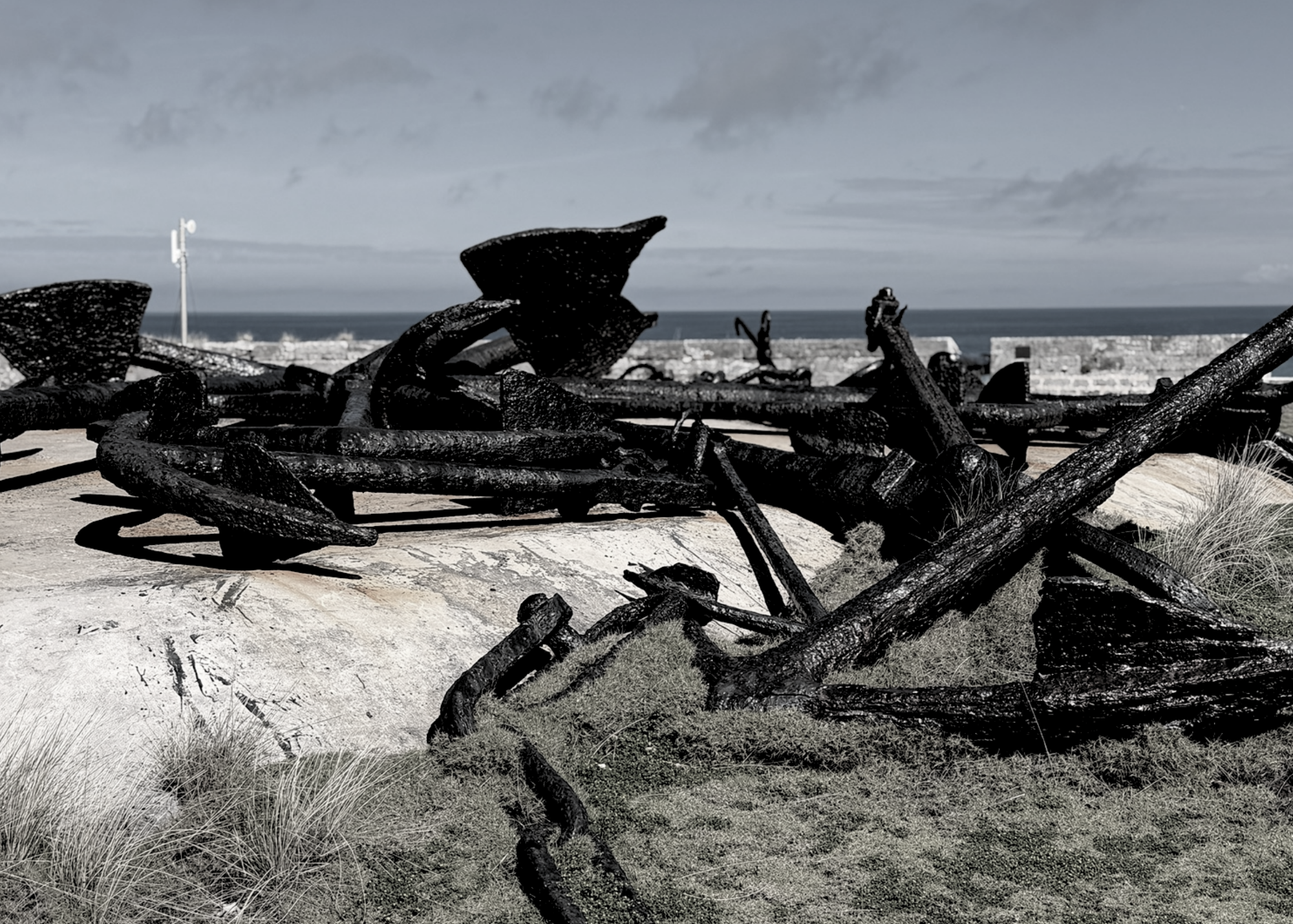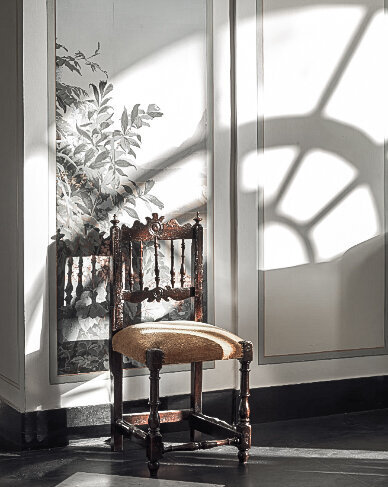

There’s a version of Bermuda most people recognize immediately.
British. Orderly. Naval. A little bit romantic. Pink sand, pastel houses, the faint echo of a colonial blueprint that somehow… held.
It’s not wrong. It’s just not the whole picture.
An Atlantic Story That Didn’t Begin with Britain
Before the English ever set foot here, Bermuda was already known — to Portuguese and Spanish sailors, to navigators from the Azores and Madeira who moved through these waters as part of a much older Atlantic network.
The island existed long before it belonged to any empire. It was a waypoint, a crossing, a place knitted into routes and currents that connected islands to one another rather than to any single flag.
That part tends to disappear from the narrative. Which is a shame, because it matters. It means Bermuda was never as isolated — or as singular — as it’s sometimes presented.
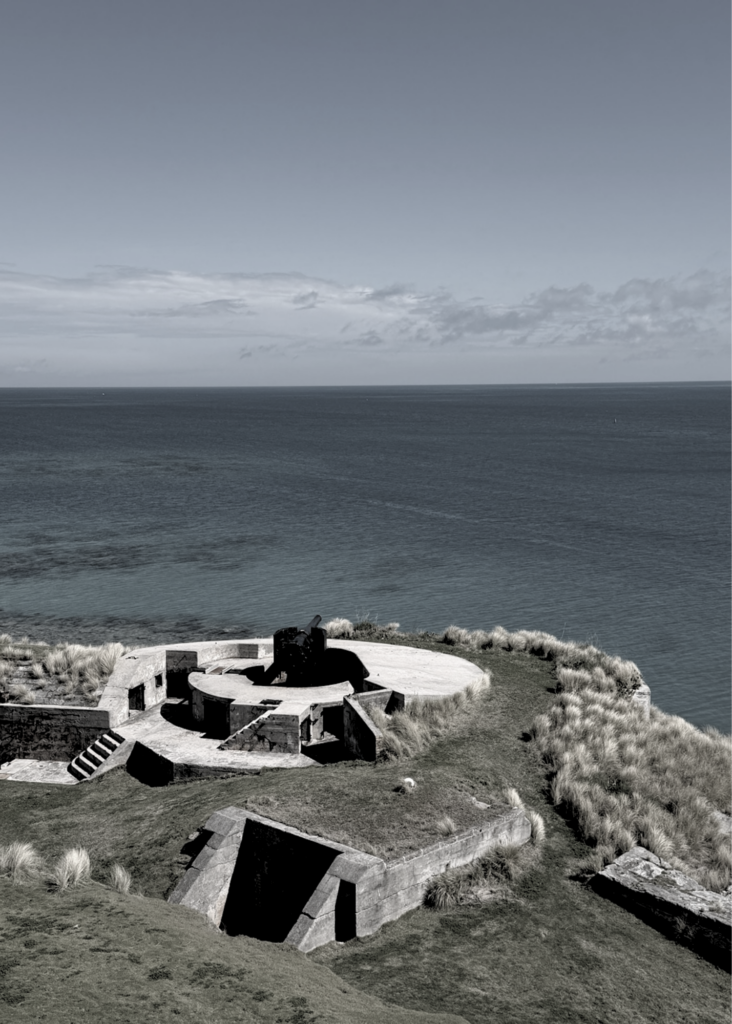
The Arrival That Changed Daily Life
In the 19th century, that connection became human.
Portuguese immigrants — primarily from the Azores and Madeira — began arriving in significant numbers, recruited to work the land at a moment when the island needed consistency more than expansion.
Farming in Bermuda isn’t intuitive. The soil is shallow, the land limited. It requires patience and a particular kind of stubbornness.
The Portuguese brought both.
They worked land others had struggled to sustain, and gradually they reshaped the island’s agricultural rhythm.
They built stability where there had been difficulty. And they stayed.
This wasn’t a visible transformation. It was a functional one. The kind that doesn’t get painted on walls or written into guidebooks.
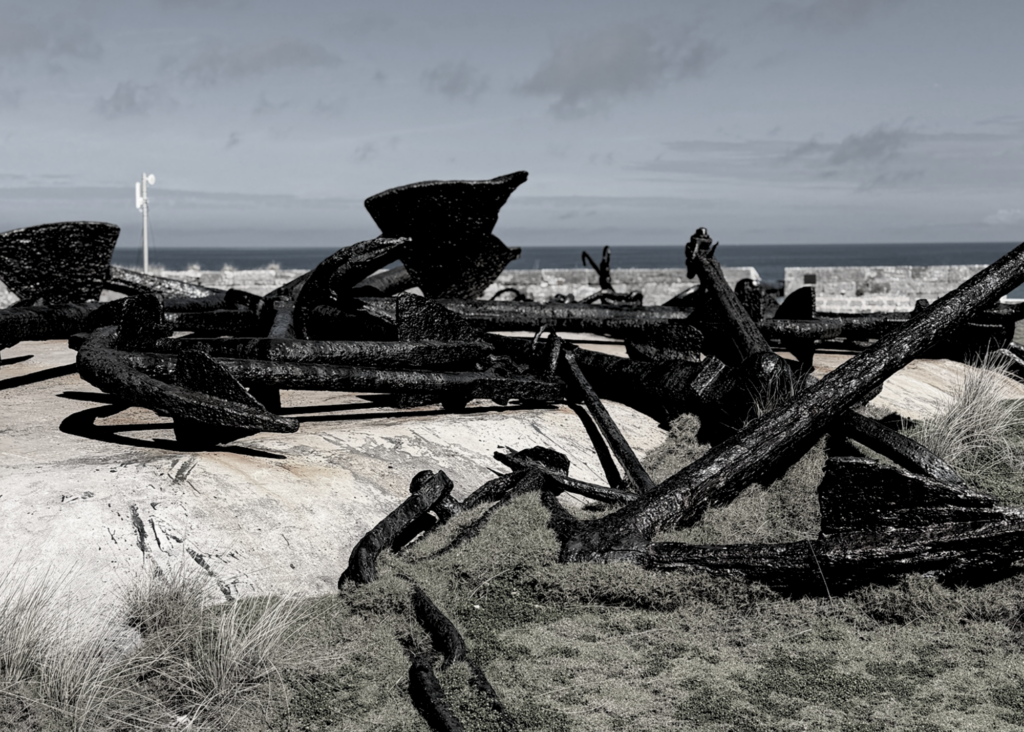
How Easily These Stories Blur
Unlike Bermuda’s forts or grand houses, this history doesn’t present itself immediately. It sits lower to the ground — in fields, in routines, in the quiet continuity of work done day after day. You see traces of it in family names, in Portuguese Catholic churches, in businesses that have been running for generations.
For a long time, Portuguese immigrants occupied an in-between space. Essential to the island’s economy, distinct from its established British identity. Language, religion, and cultural difference marked them as separate even as their labor became foundational. There are records of discrimination — subtle in some cases, explicit in others. It’s a familiar pattern. Needed, but not quite belonging. Present, but not centered.
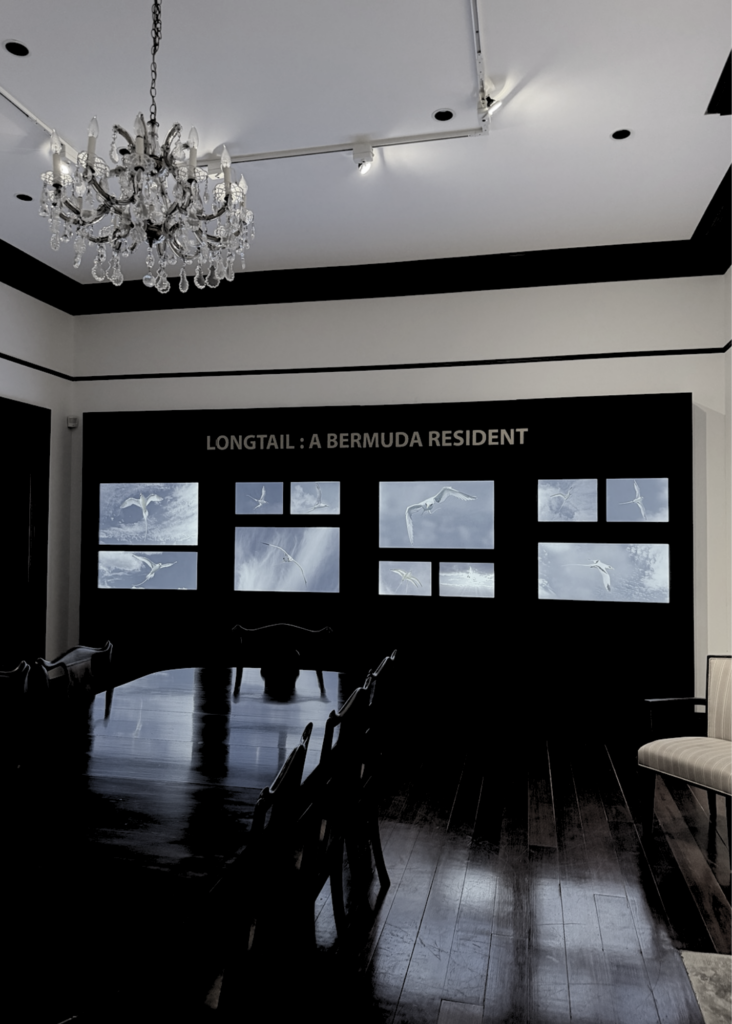
Becoming Bermudian
What’s notable about the Portuguese community isn’t just that they arrived — it’s that they stayed, and that staying meant something. Over time, they became part of Bermuda’s fabric in ways both visible and understated. The distinction didn’t disappear entirely. But it softened. And eventually, it integrated — the way things do when people simply live somewhere long enough.
Why This Changes the Way You See the Island
It’s easy to read Bermuda through a single lens. British. Imperial. Ordered.
But once you notice the Portuguese layer, the picture shifts. Bermuda stops being an extension of Britain and starts being what it actually is: an Atlantic place. Shaped by multiple currents, multiple arrivals, multiple histories unfolding simultaneously — some loudly, most quietly.
Some stories define a place by announcing themselves. The Portuguese story in Bermuda is quieter than that. But once you see it, the island stops feeling like a postcard and starts feeling like somewhere with real depth — connected, layered, and unmistakably alive.
It’s one piece of a bigger picture — I mapped more of that layered history in Bermuda Beyond the Postcard.