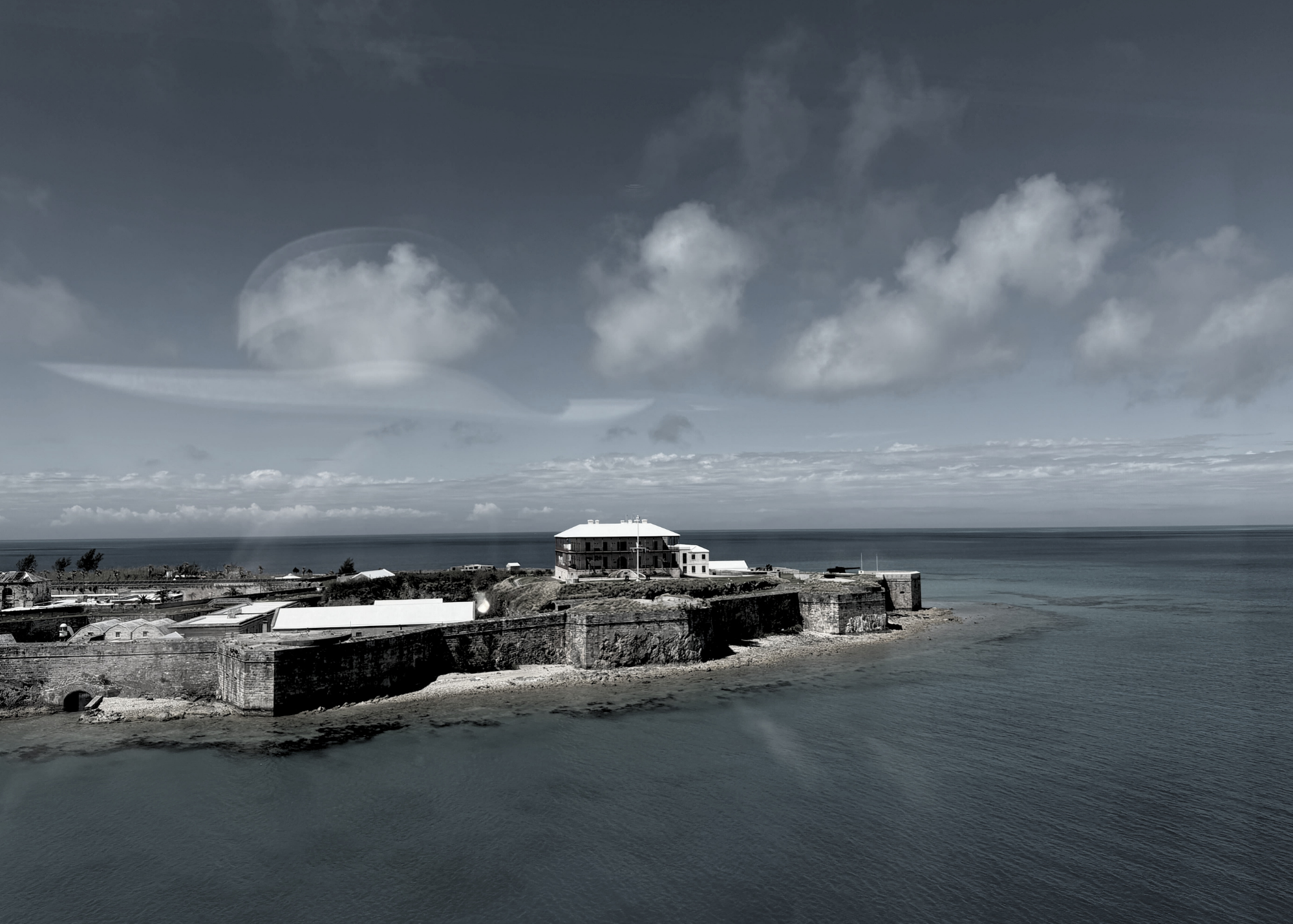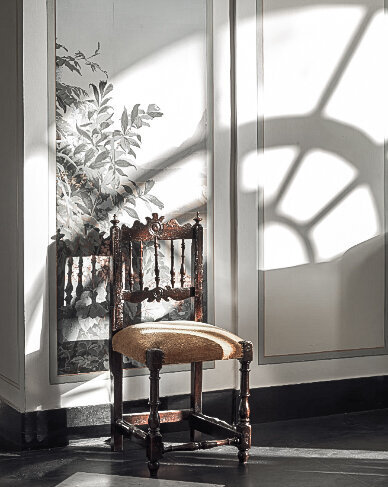
Before Bermuda was ever sold as a place of rest, sailors were actively trying to avoid it.
They called it the Isles of the Devil — and not without reason. The reefs were unforgiving, the wrecks were frequent, and strange cries echoed across the island at night. (Seabirds, most likely. But try telling that to a crew that’s already lost their bearings.) The combination of danger and isolation gave Bermuda a reputation that was less “idyllic escape” and more “place where ships go to die.”
It wasn’t a destination. It was a hazard on the map. Which makes its eventual transformation into one of the Atlantic world’s most deliberately curated luxury retreats all the more interesting.
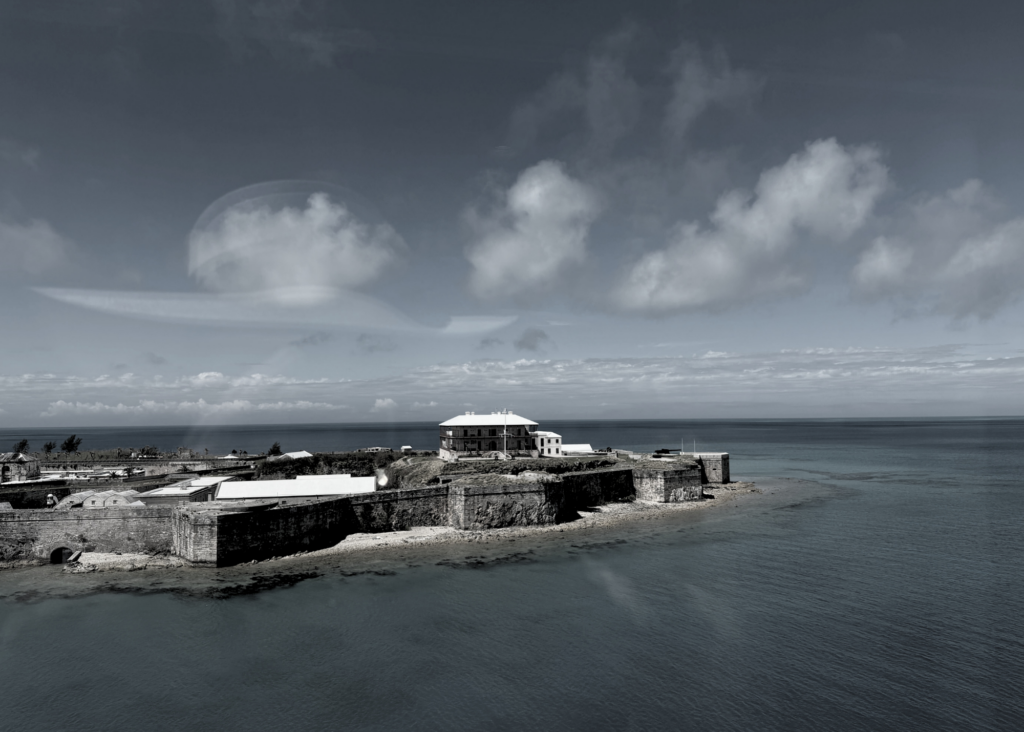
From Shipwreck to Settlement
Bermuda’s origin story begins, famously, with misfortune.
An English shipwreck in 1609 forced an unplanned landing that ultimately led to permanent settlement — which is to say, the island’s entire history pivots on an accident. What had been avoided became inhabited, and from there, Bermuda developed as a strategic Atlantic outpost: military, naval, deeply tied to the movements of empire.
For generations, it was defined not by leisure but by function. A place people passed through, not a place they came to.
Washington Irving
The shift from function to fascination begins, in part, with storytelling, which is usually how these things go.
Washington Irving wrote about Bermuda not as a place of danger but of atmosphere, layered with folklore and drama.
His account of the so-called “three kings of Bermuda” — weathered stone figures said to memorialize shipwrecked sailors — reframed the island entirely.
Suddenly it wasn’t simply perilous. It was evocative. A little eerie, a little funny, and absolutely worth the read if you haven’t come across it.
That shift, from fear to narrative, is subtle but critical. Bermuda stopped being a warning on a map and started becoming somewhere you might actually want to go.
The Isles of Rest
By the 19th century, that new identity had a name: the “Isles of Rest.”
Travelers came not for excitement but for restoration — drawn by the climate, the pace, and the distance from industrial life. Writers, artists, and those seeking something loosely described as “health” all found their way here.
Mark Twain was among them, drawn to the island’s particular quality of stillness. His observations emphasized what Bermuda lacked — noise, urgency, the grinding forward motion of modern life — and in doing so, defined what it offered.
Not remote, exactly. But deliberately removed. Which, for a certain kind of traveler, is everything.
The Steamship Era
Then came the decisive shift: steamship travel, and with it, the idea that the journey itself could be part of the appeal.
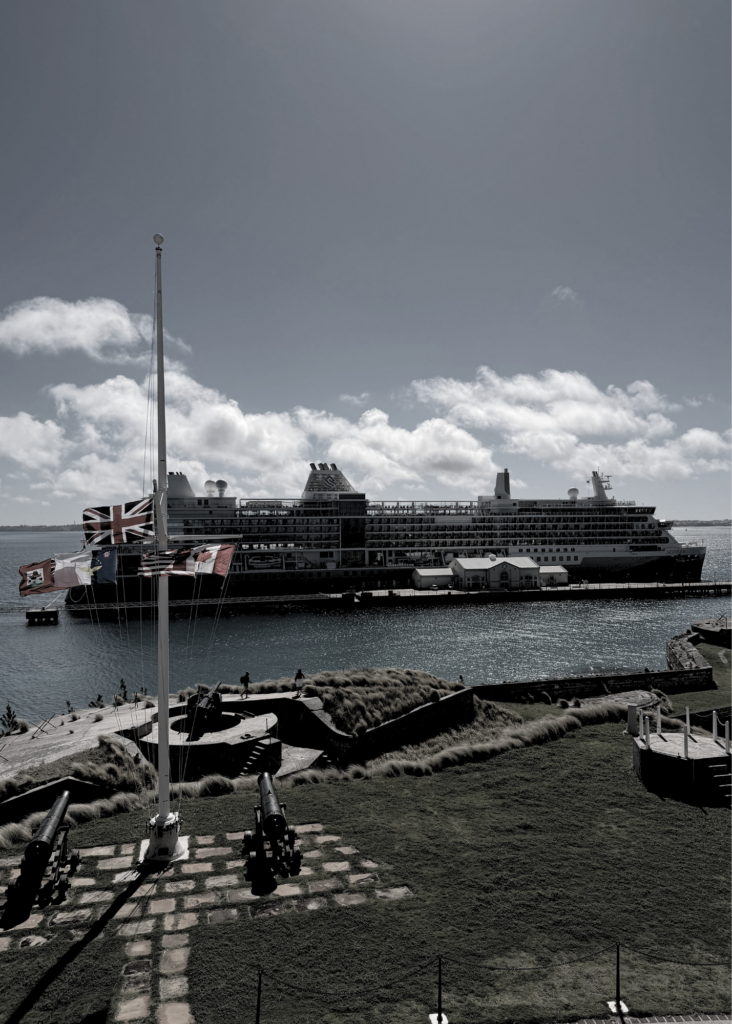
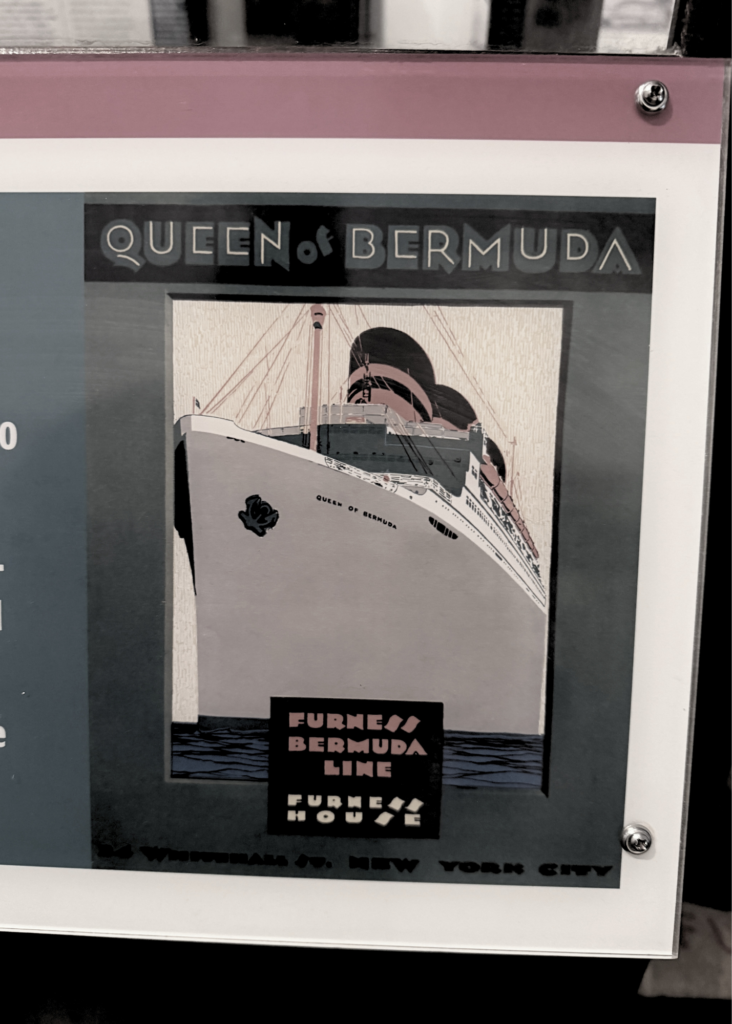
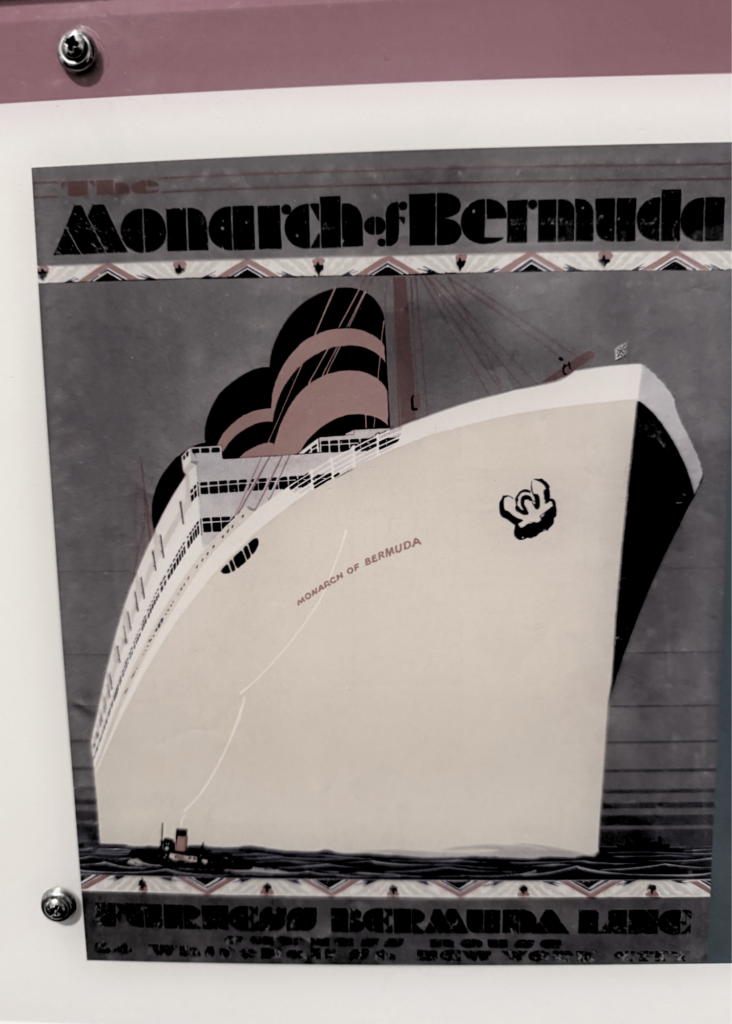
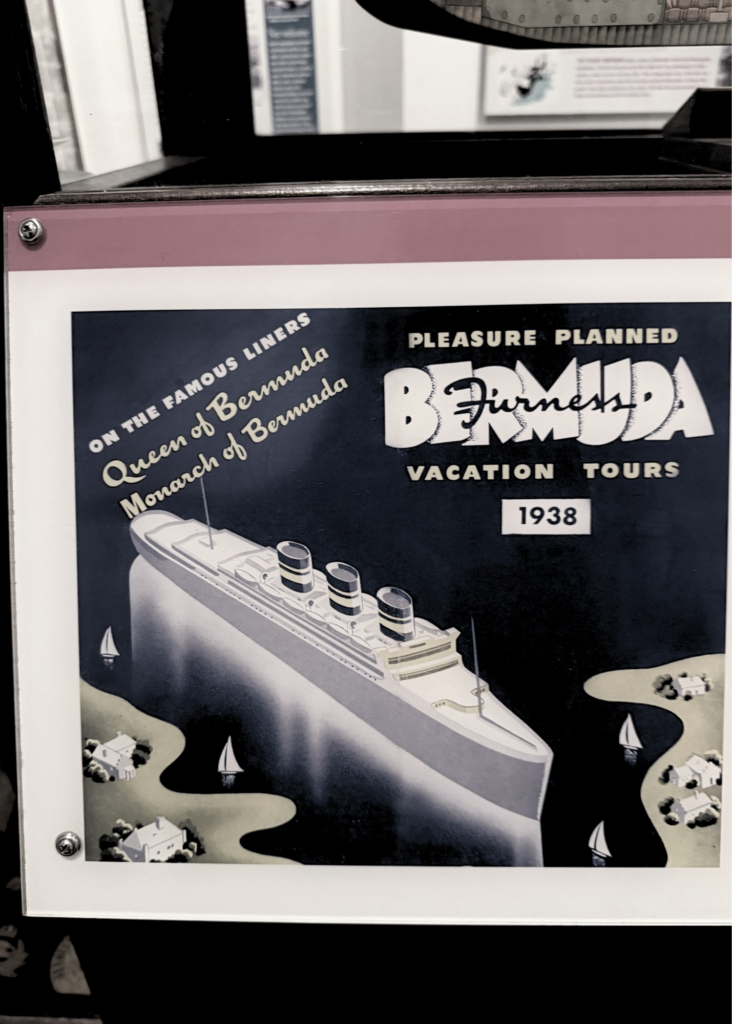
Lines like Furness Bermuda understood this intuitively. Ships such as the Queen of Bermuda and the Monarch of Bermuda didn’t simply deliver passengers — they curated the arrival experience.
By the time you stepped ashore, you’d already been marinating in elegance for days. The island was no longer just a retreat. It was a performance — of leisure, of refinement, of a particular kind of transatlantic ease that the 20th century would spend decades trying to bottle.
A Playground, Carefully Controlled
By the 1920s and 1930s, Bermuda had fully arrived as a mid-ocean playground for affluent travelers, particularly Americans.
Prohibition helped considerably. Here was a place close enough to reach without too much effort, yet far enough to feel genuinely distinct — somewhere rules softened without structure collapsing entirely.
It attracted a wide and somewhat unlikely circle: Mark Twain and Rudyard Kipling, Frances Hodgson Burnett, Eugene O’Neill, E.B. White. Princess Louise, daughter of Queen Victoria, visited in 1883 and elevated the island’s profile so significantly that the Princess Hotel still carries her name.
Charlie Chaplin came. Helen Hayes. Bob Hope. Each visit added another layer to a reputation that was, by this point, essentially self-reinforcing.
From Exclusivity to Access
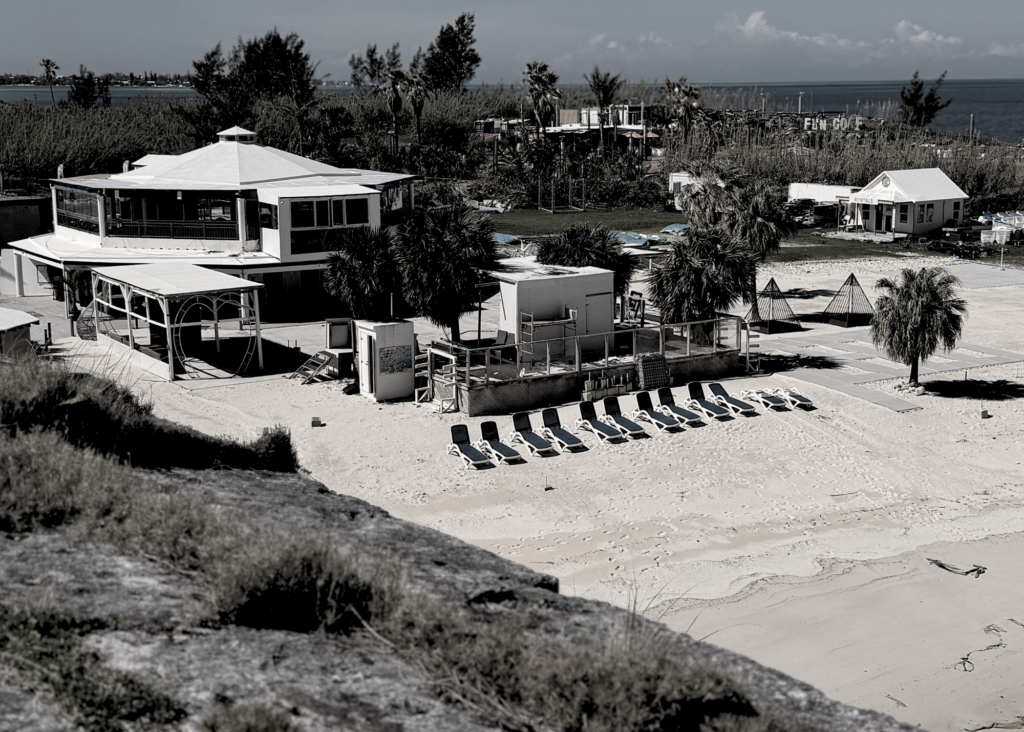
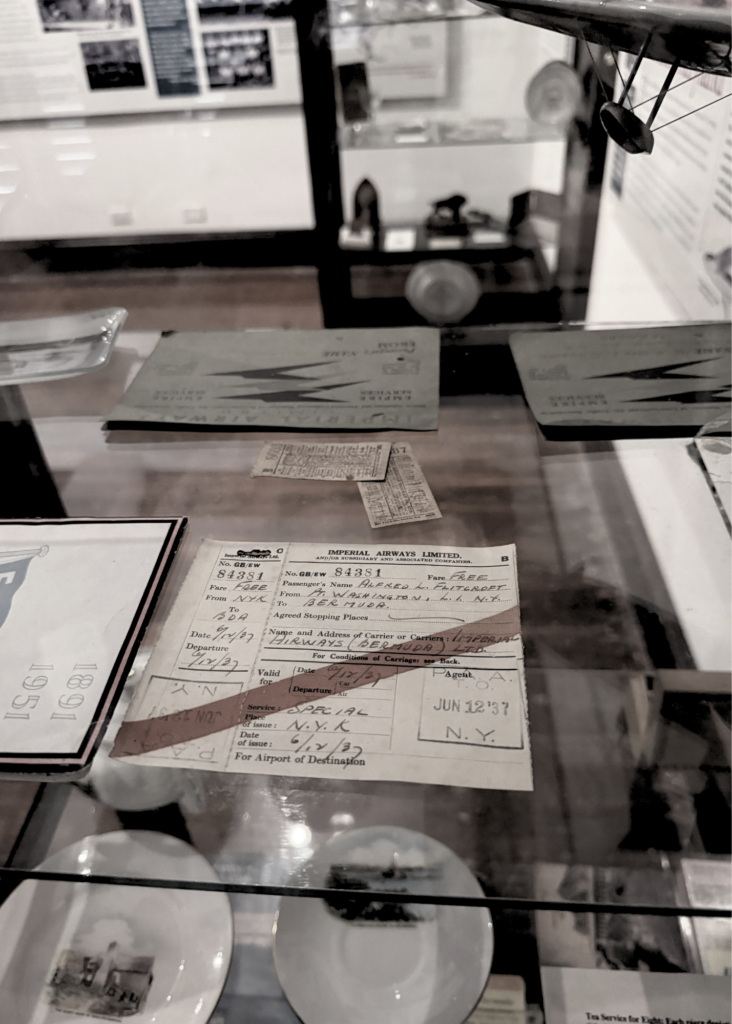
After World War II, aviation changed the calculus again. Bermuda became easier to reach, less dependent on the ritual of sea travel, and accessible to a broader range of visitors than ever before.
But unlike many destinations that expand and quietly lose themselves in the process, Bermuda retained something, a sense of containment, of deliberate scale. It grew, but carefully. Selectively. With a clear sense of what it was trying to be.
What makes Bermuda fascinating isn’t simply that it changed — plenty of places change. It’s that the transformation was so intentional. From something feared, to something imagined, to something carefully presented to the world over several centuries. That kind of reinvention doesn’t happen by accident. It’s constructed, layer by layer, with a precision that most destinations never quite manage.
Which, if you think about it, is very on-brand for an island that takes its road markings seriously and still enforces a dress code at dinner.
There’s a harder layer beneath all that reinvention, too. The museum on the island doesn’t let you leave with just the postcard version, and neither will Bermuda’s Hidden History.